
In most cases, though, getting sober is a lot more complex than simply giving up alcohol. Finding happiness in sobriety is a process that takes time but is totally achievable with the right daily supports, priorities, and commitments. Healthy relationships, a regular practice of gratitude, finding your purpose, and living in the moment are some of the components of recovery that enrich the good feelings of sobriety.
Understanding Alcohol Poisoning
- The term “dry drunk” is used to describe a person who has stayed away from alcohol for some time but continues to behave as if he or she is still addicted.
- During this stage, individuals may experience a heightened sense of happiness, reduced anxiety, and increased sociability.
- It made me realize (like a cartoon POW!) that, sad and shocked as I was, I did not even think about drinking.
- In order to balance bacteria in your gut, you may take other supplements such as probiotics.
If you have diabetes, you can add an endocrinologist to the list, while those with liver complications should consult a hepatologist. Auto-brewery syndrome is a rare condition that occurs when food ferments in your stomach and produces ethanol, the same alcohol found in alcoholic drinks. The condition can cause you to act like you’re drunk though you haven’t had any alcohol to drink. You are unable to control your movements and emotions and may feel confused or find it difficult to stand.
Medical Disclaimer
As intoxication progresses, emotional swings become more pronounced. Alcohol can amplify existing emotions, leading to increased aggression, sadness, or euphoria. These emotional changes are influenced by individual factors such as personality, mental health, and the social context in which drinking occurs. As a depressant, alcohol slows down your brain activity and alters the chemicals that send messages throughout your body. This is why your speech might become slurred, your movements less coordinated, and your reaction time delayed.
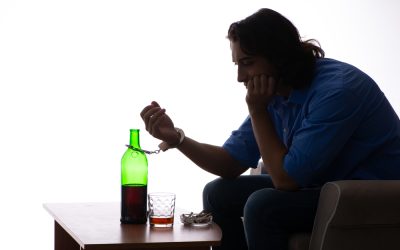
Living With Auto-Brewery Syndrome
Any treatment center receiving calls from the site is a paid advertiser. Of course, if one is in the phase of being actually ‘drunk,’ so many things can happen, whether planned, unplanned, intended, or unintended. Most cases of accidents and even crimes happen when one feeling of being drunk when sober is intoxicated. The effects of dopamine when one is ‘drunk’ affect the efficacy of one making decisions for themselves in certain situations. Keeping track of how many drinks you’ve had can really help you avoid getting drunk.
What if Feels Like To Be Tipsy vs. Drunk vs. Buzzed
By the end https://www.canoaclublegnago.it/2023/03/21/what-being-sober-really-feels-like-fhe-health/ of my drinking days, it was a wonder to me that I could do anything. And those horrid little capillary bursts on my chest have disappeared. That last one is called spider naevi, and it’s not only gross but a sign that your liver isn’t doing so well.
That initial sip might bring a temporary sense of relief, but this feeling is often short-lived. Alcohol is a depressant, meaning it slows down your central nervous system. While drug addiction treatment it can feel like it’s calming you down, it often ends up amplifying the very feelings you’re trying to escape, making anxiety or sadness feel much more intense. Using alcohol to cope doesn’t resolve the underlying stress; it just postpones it and can make those feelings stronger and harder to deal with later.
Seizures can occur, and the skin may appear blue or pale due to compromised blood circulation. Breathing becomes shallow and labored, and there is a significant risk of choking on one’s own vomit. There are somewhat predictablestagesthat a person will go through when they drink alcohol.
- Being drunk can initially feel euphoric and social, but as intoxication increases, it can lead to confusion, loss of coordination, and emotional instability.
- At this stage, you may feel “tipsy” and have a blood alcohol content (BAC) of 0.03% to 0.12%.
- This is one of the most common dry drunk symptoms that first manifests.
For many people who suffer from addiction, drugs and alcohol are temporary “solutions” to these problems, before they become bigger problems themselves. At a BAC level of 0.45% or greater, severe and irreversible damage is sustained to the internal organ systems. This grim reality underscores the lethal potential of excessive alcohol consumption. If you’re a recovering alcoholic, the first step to recovery is realizing the extent of the problem. Holistic approaches incorporating nutrition, exercise, spiritual practices, and mental health management create sustainable recovery foundations. Incorporating regular physical activity not only improves physical health but also releases endorphins, which can enhance mood and support emotional well-being.